Creativity, curiosity and connection
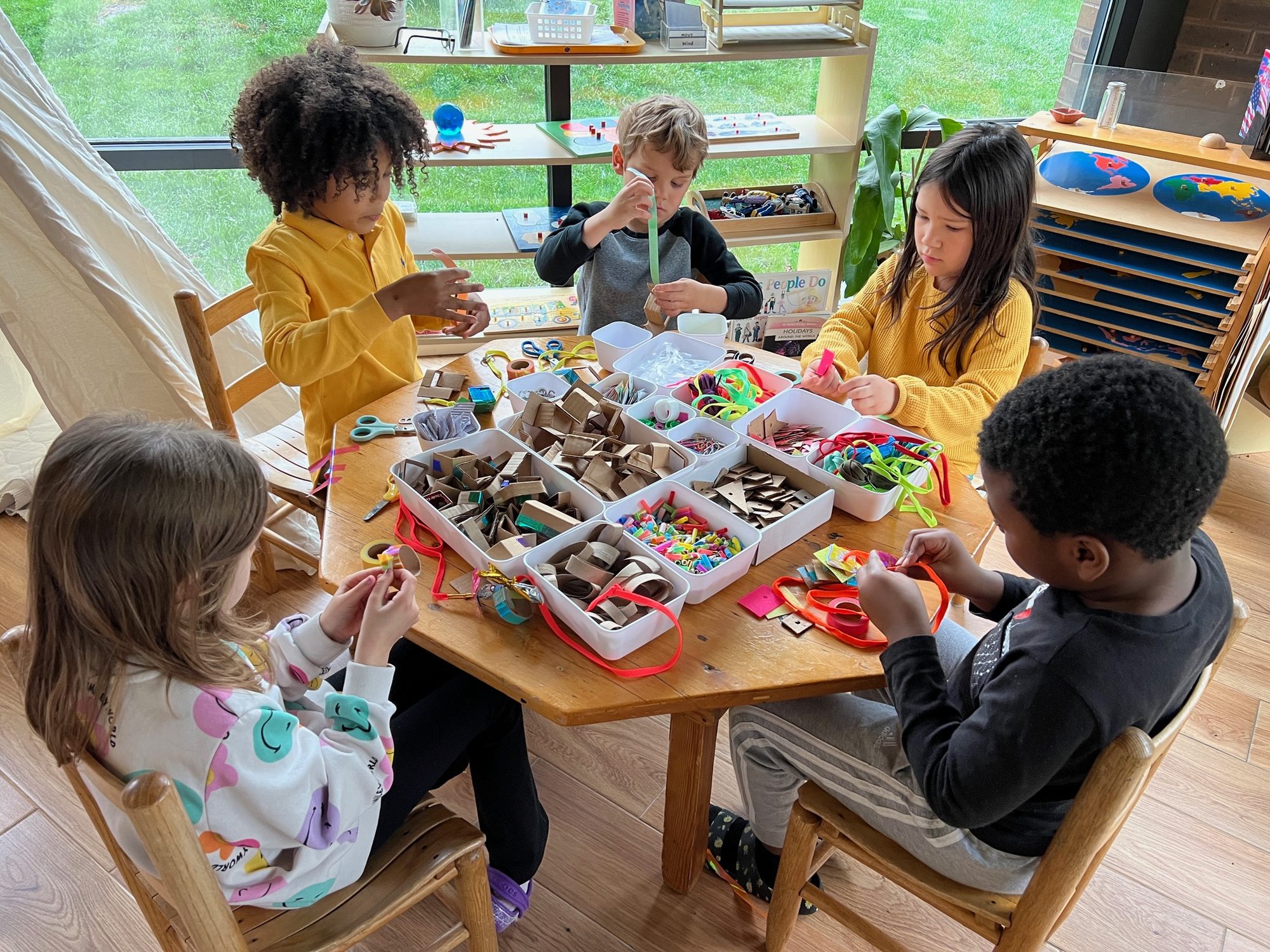
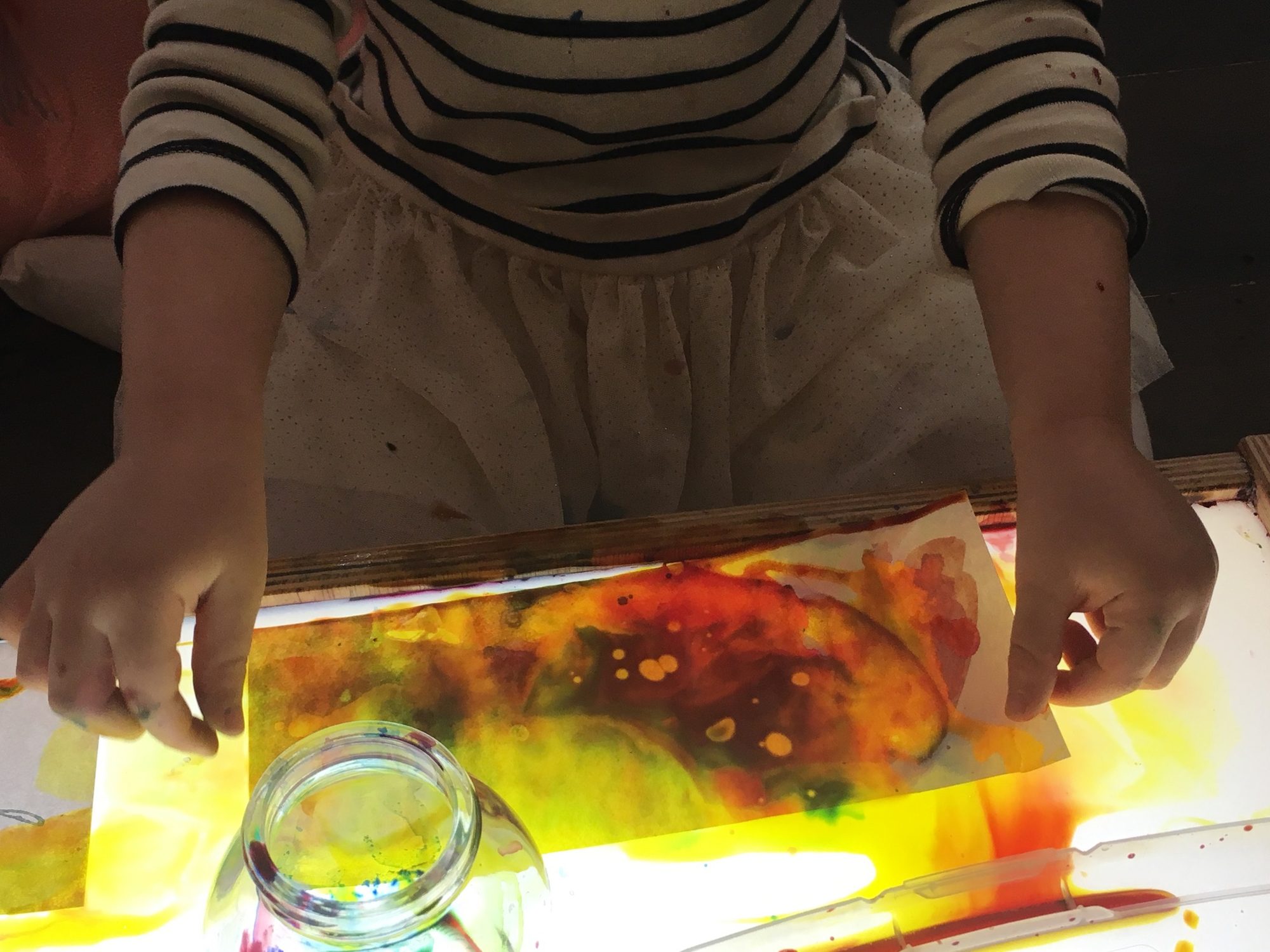
BeSpace is committed to fostering creativity and lifelong learning through process-based exploration, art making and play.
About BeSpace

Our founder
Brooke Desir
Creativity + Education Consultant
BeSpace is a creativity studio founded by Brooke Desir — an educator, community builder and maker devoted to reimagining how children and families learn, play and create together.
At its heart, BeSpace is about permission — permission to slow down, to explore, to create, to wonder, to experiment, to fail, to learn and to dream. Brooke believes creativity isn’t a subject; it’s a way of being. Her work blends education, creativity, process art and community engagement to design environments that invite curiosity, confidence and connection.
Drawing from her years leading child-centered programs at schools and non-profit organizations, Brooke created BeSpace as a place where children and adults alike can tap into the joy of making — not for perfection, but for discovery. Through open-ended workshops, maker experiences and community events, BeSpace celebrates creativity as a lifelong practice and a tool for belonging.
Because when we make space — for imagination, for each other, for possibility — we make room to be.
What we believe
Children are capable
Every child arrives with ideas worth taking seriously. Our job is to make room for them, not to direct them.
Process over product
What happens during the making — the trying, changing, and trying again — is where the learning lives.
Collaboration is the point
Families, educators and community leaders build these spaces together. We work alongside you, not around you.
Unhurried time
Deep exploration needs room to breathe. Sessions are paced so children can stay with an idea.
Real materials
Open-ended, natural and reclaimed materials invite invention in a way pre-packaged kits never can.
Inclusive by design
Joyful spaces for learning and connection means spaces where every child and family can find a way in.
Our approach
The environment as the third teacher.
In the Reggio Emilia tradition, the space itself teaches. How materials are offered, how light falls on a table, how much room a child has to spread out — all of it shapes what becomes possible.
- Provocations that invite children in without instructing them
- Documentation that makes children’s thinking visible
- Materials organized so children can choose independently
- Practices your team can sustain after we leave